Parallels - SoftwareCW - Authorized Reseller

Parallels

The hardest part of choosing between two operating systems is software compatibility. If Windows has the software you need to use and macOS doesn’t, you have no choice but to go with Windows. With Parallels, you never need to make that decision again. Run Windows applications, move files between OSes, and more, all right on your desktop. Plus, with SoftwareCW, you get Parallels software at a massive discount. Download Parallels for Mac computers and enhance your productivity today!

Change View

  • Transform Your Workflow on macOS

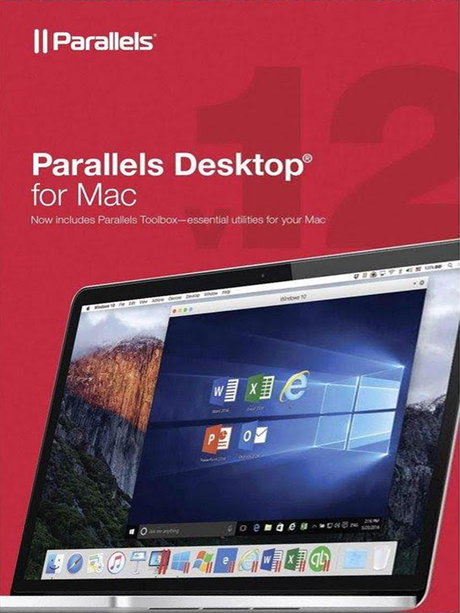
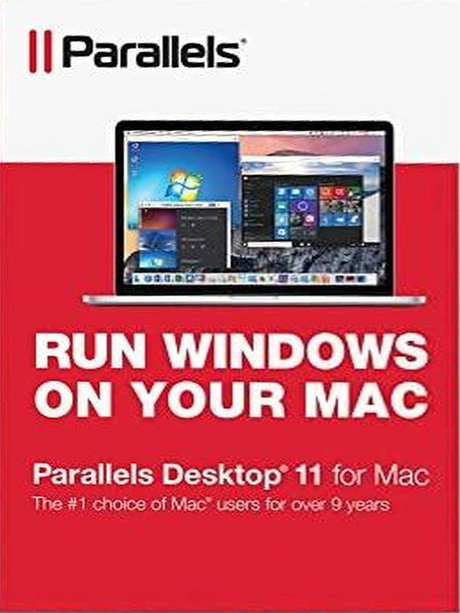
    There isn’t very much software for Macs that enhances your productivity like Parallels. Parallels turns your Mac into a platform for both macOS and Windows apps using virtualization technology. However, unlike standard virtual machines, Parallels integrates its Windows instance seamlessly with its host operating system. That means you can drag and drop files between OSes, use your touch bar on software for Windows, open Microsoft Office programs on Safari, and much more.

    The best part? Because of how well optimized it is, the performance loss you’d expect from a VM or compatibility layer is minimal with Parallels software. Choose the version of our Parallels Desktop download for Mac computers that’s right for your use case and enjoy a near-native experience with the Windows apps you need!

  • Enhance Your Productivity With SoftwareCW

    As a software retailer offering productivity apps that range from office suite software to graphic design, SoftwareCW is proud to offer Parallels as well for both individual customers and large organizations. Whether you need it for easy access to programs you use for work or just to play Windows-only games, you can find the version of Parallels that meets your needs in our collection.

    In addition to providing Parallels Desktop downloads for Mac laptops and desktops, we help you manage them, too. With SoftwareCW Plus, you get access to exclusive discounts, free training resources, easy license reactivation on reinstalled programs, and more. If you have questions, you can contact us and we’ll help you find the answers you need!

Frequently Asked Questions

What is Parallels software used for?

Parallels is the fastest software used for running Windows applications on a Mac desktop. This includes everything from critical business applications to games. Parallels is a platform for you to use however you need; there is no intended use case.

What devices can run your Parallels Desktop downloads for Macs?

Thankfully, Parallels has very few limitations on which computers can run it. Any internet-connected device running macOS can use Parallels, regardless of whether it’s based on an Intel or Apple processor. However, each version of Parallels is compatible with different versions of macOS. Before ordering your version of Parallels Desktop, we recommend double-checking the OS compatibility to ensure it’ll run on your Mac.

Is it safe to download Parallels for Mac?

Yes, it is totally safe to download Parallels Desktop for Macs onto your computer. To keep your computer secure after installing Parallels, we recommend keeping both the program and your OS up to date, as well as installing effective antivirus software. Any out-of-date programs are at risk of exploitation.

Does Parallels Desktop include a Windows license?

No. A Parallels Desktop license activates Parallels itself; it does not include a Microsoft Windows license. Parallels states that Windows running in the virtual machine must be activated with an applicable Windows license, just as it would be on a physical PC. If you do not already have an eligible license, budget for Windows separately. This is an important purchase distinction because buying the virtualization software gives you the platform to run Windows, not the operating-system entitlement.

How does Parallels work on Apple silicon Macs?

On Apple silicon Macs, Parallels runs Arm-based guest operating systems. For Windows, the supported path is Windows 11 on Arm. Microsoft’s built-in Windows emulation can run many x86 and x64 applications inside that environment, but some apps—especially those with low-level drivers, specialized hardware, nested virtualization, or certain graphics requirements—can still have limitations. Before relying on Parallels for a critical Windows application, verify that the application and any required peripherals work on Windows 11 Arm.

Will every Windows application run in Parallels on an M-series Mac?

No. Many Windows applications work well, but Parallels documents limitations for Windows 11 on Arm. Some x86 or x64 applications may not work correctly, and software that depends on unsupported drivers or virtualization features can fail. Graphics support can also limit certain games or specialized 3D applications. Test or verify the exact Windows application before buying Parallels solely for that program, especially when the application requires hardware dongles, kernel-level drivers, advanced GPU features, or another virtualization layer.

How much RAM and storage should I have for Parallels Desktop?

Virtualization needs resources for both macOS and the guest operating system. Current Parallels guidance lists 4 GB of Mac RAM as a minimum for basic use but recommends substantially more—such as 16 GB or more—for heavier workloads, graphics-intensive applications, or multiple virtual machines. The Parallels application itself uses relatively little storage, but Windows and its applications need additional disk space. For professional use, plan capacity for macOS, the Windows virtual disk, applications, updates, and working files rather than sizing to the minimum.

What is the difference between Parallels Desktop Standard and Pro editions?

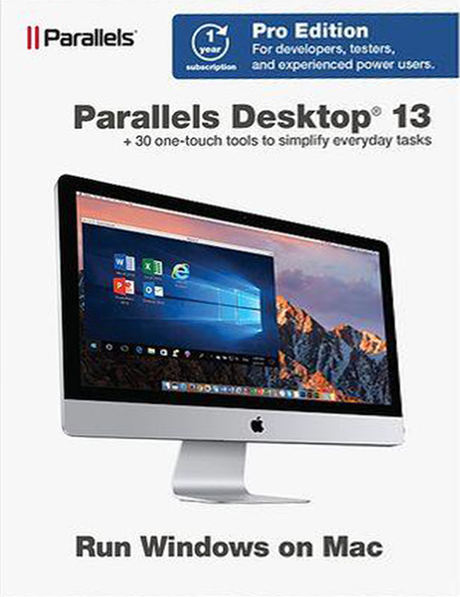
Standard is generally aimed at everyday Windows-on-Mac use, while Pro is intended for more demanding professional, development, testing, and advanced virtualization workflows. SoftwareCW lists both regular Parallels Desktop and Pro Edition products. Edition features and resource limits can change by version, so compare the current specifications rather than relying on an older comparison. If you mainly need Office or a few Windows business applications, Standard may be enough; developers and users running heavier or multiple virtual machines should examine Pro features.

Can I move an existing Intel-Mac virtual machine to an Apple silicon Mac?

Not directly in the normal way because Intel and Apple silicon use different CPU architectures. Parallels explains that an x86_64 virtual machine created on an Intel Mac is fundamentally different from an Arm virtual machine used on Apple silicon. The recommended migration path is usually to create a new Arm-based virtual machine and copy personal data into it. If you are replacing an Intel Mac, plan the VM migration before assuming the old Windows virtual disk will simply start on the new hardware.

Is Parallels Desktop a subscription, and how are licenses managed?

Licensing varies by Parallels edition and version, with current subscriptions tied to the Parallels account used during activation. Parallels provides an account dashboard for viewing and managing active subscriptions and licenses. SoftwareCW also carries older Parallels versions, so the exact licensing model can differ between listings. Before purchasing, check whether the SKU is subscription or perpetual, how many Macs it covers, which macOS versions it supports, and what upgrade rights apply.

What should I verify before buying Parallels Desktop?

Check your Mac model, Intel or Apple silicon processor, macOS version, RAM, storage, and the Windows applications you need. Budget for a separate Windows license where required, and verify Windows 11 Arm compatibility for critical software on Apple silicon. Compare Standard and Pro features, confirm the Parallels license model and computer count, and check any specialized hardware, drivers, graphics, or nested-virtualization requirements. Virtualization compatibility should be evaluated for the complete Windows workflow, not just Parallels itself.